
Do You Need a Demolition Permit in Spokane, WA?
Demolition permits are required for some projects in Spokane. Here's how to know if yours needs one.
Why Are Demolition Permits Required?
Permits protect public safety. Building codes and zoning laws exist for reasons. They prevent structural damage to neighboring properties. They protect utility lines from being damaged. They ensure environmental safety and prevent contamination. A permitted demolition is inspected to verify the work meets code and doesn’t create hazards for adjacent properties or public infrastructure.
Unpermitted work carries real consequences. You can face fines from the city or county. The building department can order you to stop work immediately. You might be required to restore what you’ve demolished and then do it again with proper permits. Insurance claims can be denied if the work was unpermitted. When you sell the property later, undisclosed unpermitted work creates liability. It’s easier to get permits upfront than to deal with enforcement and remediation later.
Not Every Demolition Project Requires a Permit
Small demolition jobs that stay within residential property lines might not require permits. Removing a fence that’s entirely on your own property might be permitted-free. Taking down a small, detached shed might not trigger permit requirements. Interior demolition for a kitchen or bathroom remodel sometimes doesn’t require permits if it doesn’t involve load-bearing walls or structural changes. Removing non-load-bearing walls in a basement might not need permits.
The specifics depend on what you’re removing, the size, and whether it affects the structure or utilities. Spokane County’s building code has specific thresholds. If the scope is below certain size limits and doesn’t affect structure or utilities, permits might not be required. But many projects that seem small actually require them because of what they affect.
Projects That May Require a Demolition Permit
Larger demolition work almost always requires permits. Tearing down a detached garage typically requires a permit. Removing a mobile home requires a permit. Demolishing a deck requires a permit. Removing a storage structure requires a permit. Interior demolition involving load-bearing walls requires permits and engineering. Any demolition affecting utility lines, septic systems, or neighboring properties will require permits. Full house demolition always requires permits.
Any project that could affect structural integrity, utilities, property lines, or safety requires permit review. Neighbors’ property rights are protected by code. If a demolition could damage a neighbor’s structure or utilities, permits ensure inspection and approval.
Smaller Light Demolition Projects May Be Different
Light demolition includes removing non-load-bearing walls, taking out fixtures, or doing interior demolition that doesn’t affect the structure’s integrity. A bathroom tear-out for remodeling is light demolition. Removing non-structural interior walls is light demolition. Even small light demolition might require permits depending on Spokane’s specific code. Some projects need permits, others don’t.
The only way to know with certainty is to check with the building permit office. If you’re unsure, asking takes 10 minutes on the phone. The answer is clear and you can proceed confidently.
Factors That Can Affect Permit Requirements
The size of the project matters. A larger structure requires permits. A smaller structure might not. The age of the structure can matter. Historic properties have different rules. Whether the work affects load-bearing elements changes requirements. Whether it affects utilities or neighboring properties changes requirements. Zoning can affect what’s allowed. If your property is near a wetland or protected area, additional review might be needed.
Spokane’s specific code, the county’s regulations, and any local ordinances all play a role. What’s permitted in one part of Spokane might differ in another area.
Why It’s Better to Verify Before Starting
Starting demolition work without required permits can result in fines, work stoppages, and mandatory restoration. You might need to rebuild what you demolished and then do it again properly. Insurance claims can be denied. When selling, unpermitted work creates liability and can kill the sale or require expensive remediation. Inspection and sign-off become problematic.
Checking first takes an hour and prevents months of problems. Contact the Spokane County building permit office or your city’s planning department. Describe your project. Tell them what you’re demolishing. They’ll tell you if permits are required and what the process is. That answer is worth more than any guess or assumption.
Questions to Ask Before Scheduling Demolition
What exactly are you removing? A structure, walls, fixtures? Is it load-bearing? Does it affect utilities? Will it affect neighboring properties? Is the structure historic or in a protected area? How large is the project? How long will it take? Call the Spokane County building permit office or city planning department with those details. Many contractors do this automatically as part of their bid process.
Why Hiring a Professional Matters
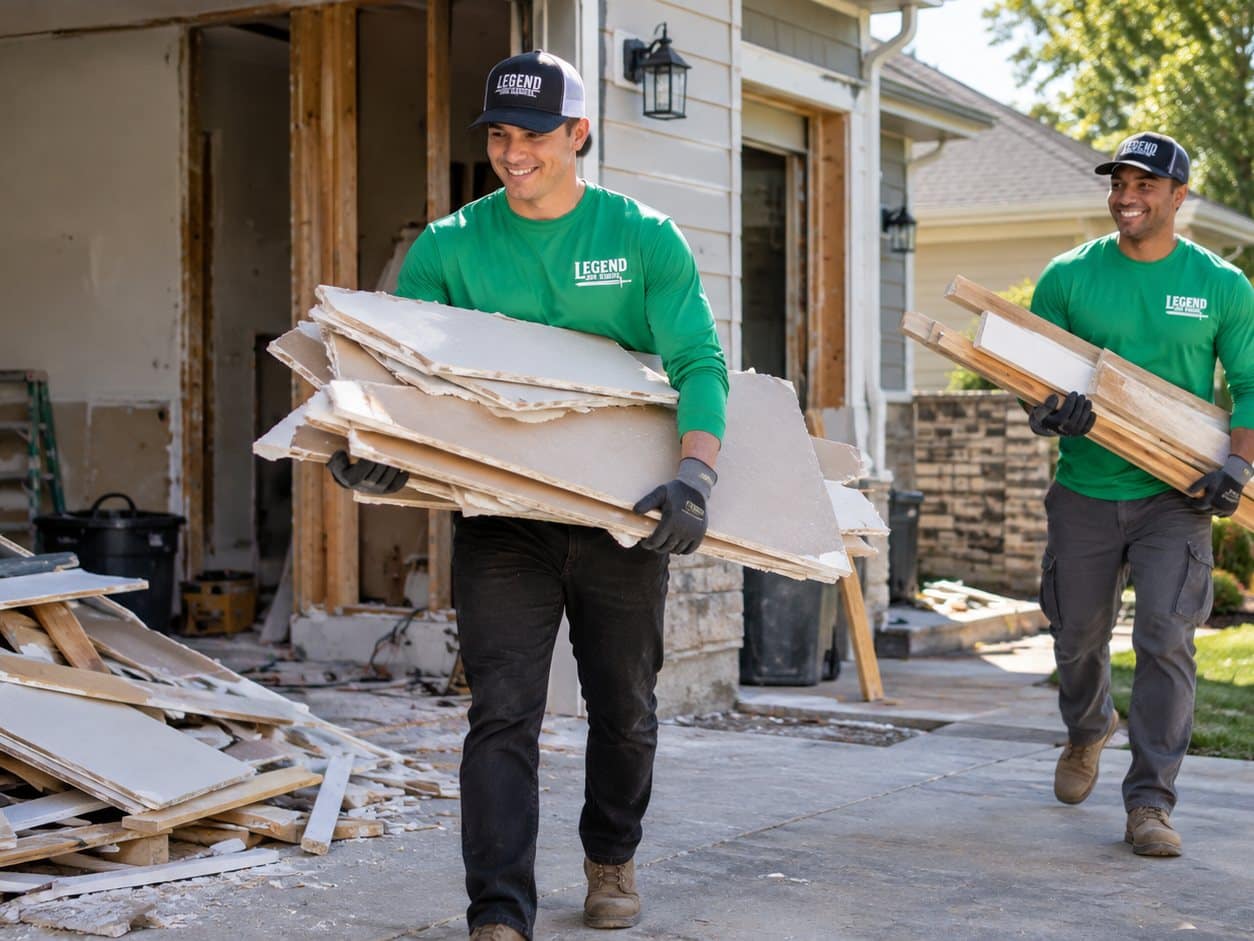
Professional demolition contractors know local codes. They navigate permit requirements without guessing. They handle inspections. They ensure work meets code. They have insurance. They manage debris properly. They understand the process and timeline. For large projects, professional help isn’t optional. For uncertain projects, professionals can advise whether permits are needed and what the process involves.
A professional contractor can often tell you immediately whether permits are likely needed based on the project scope. They know the code and they’ve done this before.
What Happens After Permit Requirements Are Confirmed
If a permit is required, you apply through Spokane County or the city. You provide detailed plans and scope of work. The permit office reviews your application. They might request changes or additional information. Once approved, you receive the permit. You then schedule the work.
During and after completion, an inspector visits to verify the work meets code. They check that it was done as planned. Once they approve, you get final sign-off. The permit is closed. This is the process. It doesn’t take weeks for small projects. It typically takes a few days to a few weeks depending on the application complexity and inspection schedule.
Preparing Your Property Before Demolition Begins
Arrange for utilities to be shut off if needed. Clear the area of personal items you want to keep. Notify neighbors if the work will cause disruption, dust, or noise. Protect adjacent structures and landscaping from damage. Have a plan for debris removal and recycling. Confirm parking for the demolition crew and any trucks. Ensure access to the area you’re demolishing.
If utilities need disconnecting, call the utility company first. Gas, electric, water, sewer all need identification before any digging or demolition.
Common Mistakes Homeowners Make
Starting work before checking permit requirements. Removing load-bearing walls without engineering or permits. Ignoring utility lines and damaging them during demolition. Not accounting for asbestos or lead paint in older structures. Assuming interior work never needs permits. Not budgeting for permit costs and inspection fees. Underestimating debris disposal costs.
Spokane Homeowners: Every Property Is Different
Your property’s age, size, location, and what you’re removing all affect permit requirements. The only reliable way to know is to ask. Spokane County’s planning and building department is accessible by phone and email. A 10-minute call gives you certainty. Professional demolition contractors will advise too and often include permit coordination in their bids.
Get In Touch With Us
For large demolition projects or debris removal after your work is complete, call Legend Junk Removal at (509) 761-4999. We handle construction debris removal and can discuss your project’s scope and cleanup. Available 24 hours a day, seven days a week. Same-day service available for most Spokane properties.
We’ll provide an estimate for debris removal once your demolition work is planned or completed. Same-day pickup is often available for demolition debris.