
Estate Cleanout Checklist: What to Do Before the Cleanup Begins
An estate cleanout doesn't have to be overwhelming. Follow this actionable checklist to prepare your Spokane home and streamline the entire process.
Understand the Scope of the Estate Cleanout
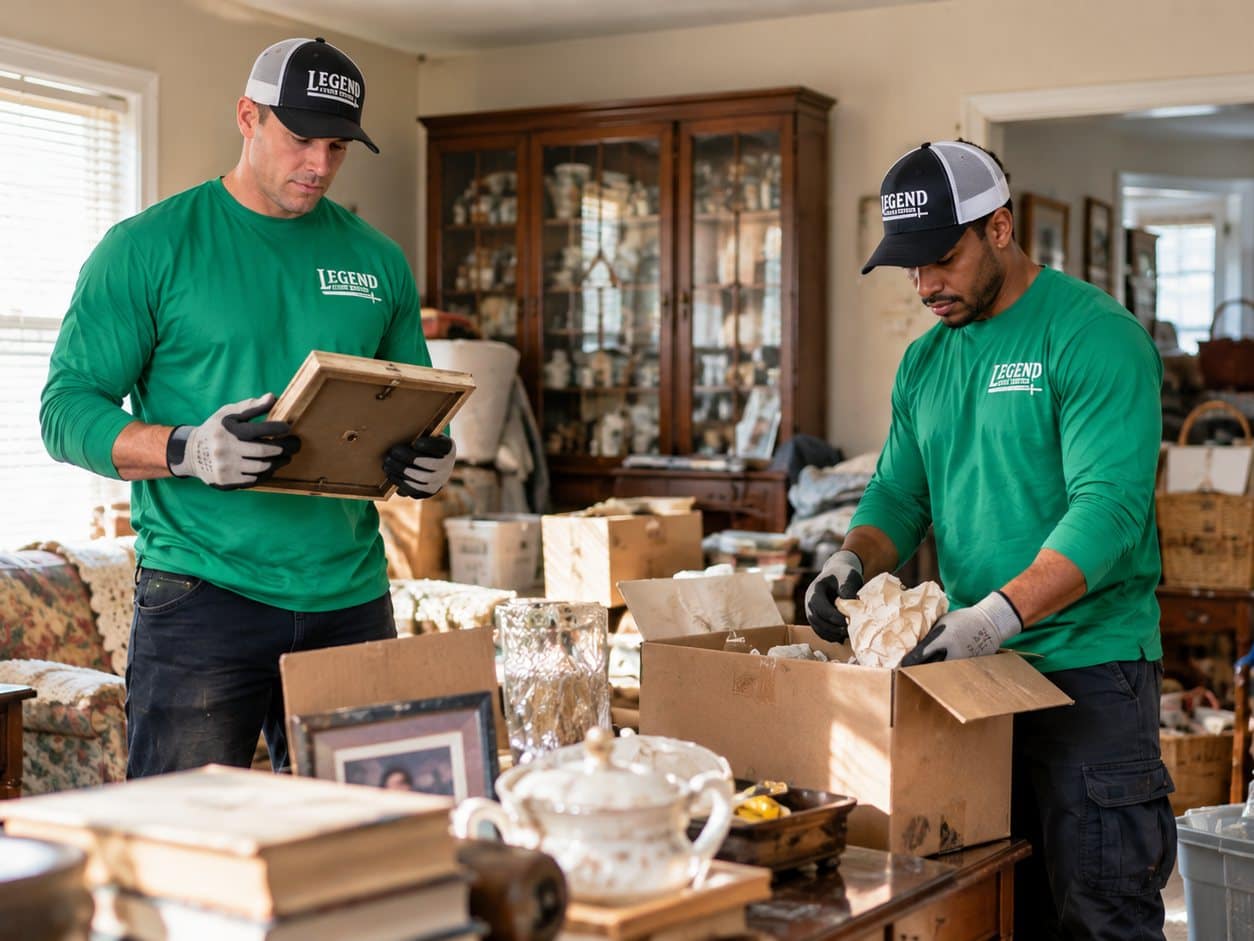
Before calling a junk removal company, take time to walk through the entire property. Note which rooms need the most work, identify any hazardous materials, and get a sense of how much stuff needs to leave. A house might have a basement packed to the ceiling while the bedrooms are relatively clear, or vice versa. Understanding what you’re dealing with helps you plan and communicate clearly with the professionals you hire. It also helps you decide whether you want to tackle parts of it yourself or hire someone to handle everything.
Take photos as you walk through each room. Document appliances, furniture, closets, and storage areas. This gives you a visual reference to discuss with the removal crew and helps them estimate how long the job will take. In Spokane’s older homes, attics and basements often surprise families with forgotten items. Note condition too. Is a piece of furniture damaged, water-stained, or in working condition? Does a closet hold everyday clothing or decades of stored items? These details shape the removal strategy.
Gather Important Documents First
Estate cleanouts often uncover documents you’ll need: bank statements, insurance policies, tax records, deeds, and titles. Set up a designated folder or box for these before the cleanup begins. Check file cabinets, desk drawers, and filing boxes in closets. If the property is old, documents might be scattered or stored in unexpected places. Look inside books, behind pictures on walls, and in old suitcases. People sometimes tuck valuables and important papers in surprising spots. Once you’ve secured everything important, you can safely remove or shred the rest.
Don’t rush this step. Missing a document could delay estate settlement, property transfer, or insurance claims. If you find legal documents you don’t recognize, photograph them for your attorney. Some families discover old bonds, savings bonds, or certificates tucked away. Once you’ve reviewed everything and consulted with an estate attorney or executor, you can confidently dispose of papers like old utility bills, expired warranties, and obsolete records.
Set Aside Family Heirlooms and Sentimental Items
Walk through with family members and identify anything that holds emotional or monetary value. Mark these items clearly so they don’t accidentally get removed. This might include photo albums, jewelry, artwork, or furniture with family history. Taking time upfront prevents regret and conflict later. If you’re unsure whether something should stay, photograph it and discuss it with relatives afterward.
Decide What Will Be Kept, Donated, Sold, or Removed
Make four piles: keep, donate, sell, and discard. Be realistic about what you’ll actually use. That exercise bike gathering dust, the furniture you inherited but don’t like, and the kitchen gadgets you’ve never unpacked are candidates for removal or donation. Sort items into these categories as you go. This reduces confusion during the actual cleanup and makes it easier to coordinate with a junk removal team.
Check for Valuable Items Before Disposing of Anything
You’d be surprised what ends up in estate sales. Vintage collections, antiques, gold or silver items, and collectibles might be hiding in closets or boxes. If the property belonged to someone who enjoyed hobbies like coins, stamps, art, or memorabilia, take a closer look before discarding. Common hidden valuables include vintage watches, jewelry in junk drawers, collections of rare books or records, oil paintings, and vintage furniture that’s actually worth money.
A quick online search or call to a local appraiser can reveal hidden value. Antique dealers in Spokane can assess furniture, artwork, and collectibles. Coin and stamp shops will evaluate those collections. If there’s jewelry, a local jeweler can tell you if pieces have precious metals. Even items that seem worthless might have sentimental or monetary value to the right buyer. Knowing an item’s story and value matters for family decisions about whether to sell, donate, or keep pieces for future generations. Taking a few hours upfront to research items can uncover money that helps cover estate expenses.
Dispose of Hazardous Materials Separately
Older homes often contain paint, pesticides, batteries, cleaning chemicals, and other hazardous materials. These require special disposal and cannot go in a regular junk removal haul. Common hazardous materials include old oil-based paints, solvents, garage chemicals, propane tanks, light bulbs with mercury, and asbestos-containing materials (common in homes built before the 1980s). Identify any hazardous items and handle them separately through local disposal facilities or Spokane’s hazardous waste collection events.
Spokane regularly hosts hazardous waste collection days where you can drop off these materials free or at low cost. Contact Spokane County’s waste disposal office to learn about upcoming collection dates. Never mix hazardous materials with regular junk. The removal crew needs to know what’s being hauled so they can dispose of it responsibly. If your home has asbestos (in insulation, floor tiles, or pipe wrapping), special procedures apply and you should consult a professional before removal.
Identify Large or Specialty Items
Refrigerators, pianos, pool tables, and hot tubs need special handling. Note where these items are located and whether they’re functional or broken. Some items have resale value, while others need professional removal. Knowing this ahead of time means you can arrange appropriate pickup rather than scrambling at the last minute.
Coordinate With Family Members Early
Estate cleanouts often involve multiple people making decisions. Schedule a family meeting before work starts. Discuss what will happen with the property, who gets what, what’s being donated or sold, and what timeline everyone’s comfortable with. Getting buy-in early prevents conflicts and keeps the process moving smoothly.
Prepare the Home for Easy Access
Clear pathways and remove obstacles so the removal crew can work safely. If the front door is blocked by clutter, arrange for it to be partially cleared. Make sure the crew can access all rooms and knows where outdoor gates or storage areas are. If there’s a dog or cat, plan for it to be secured in a safe room. These small preparations save time and keep the crew efficient.
Consider Donation Opportunities
Local charities, thrift stores, and nonprofits often accept furniture, appliances, and household goods. Some organizations will collect larger items at no cost to you. Researching these options before the cleanout means items that might otherwise be discarded can find a second home. It’s rewarding and reduces what has to be hauled away.
Don’t Feel Like You Have to Do Everything Yourself
Sorting through a lifetime of belongings is emotionally draining and physically demanding. There’s no shame in hiring professionals to handle it. A junk removal company like Legend Junk Removal can remove items quickly and responsibly while you focus on the decisions that matter most.
Plan Your Timeline and Schedule Realistically
Estate cleanouts take time. A one-bedroom apartment might take four to eight hours. A multi-bedroom house could take one to three days. Plan for more time if you’re sorting items before the crew arrives or if the property is packed tightly. Families often underestimate how long it takes to make decisions about what to keep, donate, or discard. Build in extra time for this thinking process.
Coordinate with family members around their schedules. If someone needs to be present for decisions, make sure they’re available. If the property is far from where family members live, schedule the cleanout at a time when key people can participate. Weather matters in Spokane too. Spring and fall are ideal for removing items, while winter can make outdoor work difficult. Plan ahead to avoid holiday rush periods when removal companies are busiest.
Create a Decision-Maker Role
During the actual cleanup, designate one person as the primary decision-maker. When the crew finds items that weren’t clearly marked, this person approves whether it gets removed or kept. Too many people making decisions creates confusion and slows the process. The decision-maker should walk through the space with the crew at the start to clarify priorities.
What to Expect on Estate Cleanout Day
The crew will arrive with a truck and begin removing items according to your instructions. They’ll load heavy furniture, boxes of belongings, and debris. The entire process typically takes a few hours to a full day depending on the size of the property. You can be present to answer questions, or you can trust the professionals to get the job done. The crew will work systematically through each room, asking clarifying questions about items you’ve marked. By the end of the day, the space will be significantly cleared out and ready for the next step, whether that’s preparing the home for sale, staying in it, or further repairs.
Questions to Ask Before Hiring
When you call a junk removal company, ask what’s included in their service. Do they remove items from inside the home? Can they handle stairs, attics, and basements? Do they dispose of items responsibly or donate usable goods? What about scheduling and same-day availability? Can they work around your family’s needs? Getting clear answers upfront prevents surprises on the day of the cleanout.
Legend Junk Removal handles estate cleanouts throughout Spokane and the surrounding region. We ask the right questions to understand your timeline and priorities. Call us at (509) 761-4999 for a free estimate, or visit our website to learn more about our same-day service availability. Our crew is available 24 hours a day, seven days a week.