
How to Dispose of Old Appliances Responsibly in Spokane
Old appliances take up space and can damage the environment if not disposed of properly. Explore your options for recycling, donating, or professional removal in Spokane.
Why Proper Appliance Disposal Matters
An old refrigerator, washing machine, or dryer sitting in your garage or basement is more than just clutter. Appliances contain materials that need careful handling: refrigerants in fridges, motors, wiring, and metals that either contaminate landfills or have real value when recycled properly. Spokane residents have better options than the curb, and using them means you’re protecting local water systems and keeping usable materials out of the waste stream.
Which Household Appliances Can Be Disposed Of Responsibly?
Most major appliances are recyclable or reusable. Refrigerators and freezers top the list because of the refrigerants inside. Washing machines and dryers, dishwashers, ovens, microwaves, and air conditioning units all contain materials worth recovering. Even small appliances like toasters and coffee makers get collected by some programs. The key is knowing where each appliance can go, since not every option accepts every type.
Large appliances are the priority because they take up significant space and contain valuable materials. A refrigerator contains copper wiring, aluminum components, and steel that all have scrap value. A washing machine’s motor and metal frame are worth recovering. Dryers have heating elements and steel drums. Even an old dishwasher has stainless steel and electrical components worth reclaiming. These aren’t trash, they’re resources waiting to be extracted.
Small appliances like microwaves, toasters, coffee makers, and blenders also contain copper wiring and recyclable metals, but they’re lower priority because they take up less space. If you have just one or two small appliances, they might not justify a special pickup trip. But during a larger appliance removal, they get collected too.
Option 1: Recycle the Appliance
Spokane-area recycling facilities accept most large appliances. They dismantle units, separate metals, and handle hazardous materials properly. Call ahead to confirm whether your specific appliance qualifies and whether you need to drop it off or if they pick up from your home. Some facilities charge a small fee; others do it for free if the appliance contains working materials they can resell. This option works best if your appliance is broken beyond repair.
This is the most environmentally responsible path for truly non-functional items. A refrigerator that won’t cool, a washer that won’t spin, or a dryer that’s rusted through all end up in a recycling center where they’re carefully dismantled. The refrigerant is recovered and stored safely. Steel and aluminum are separated and sold to mills. Copper wiring is extracted. Plastic components are processed. What can’t be recycled is disposed of safely, not dumped in a landfill.
Recycling facilities in the Spokane area vary in what they accept and how they operate. Some will pick up appliances from your home for a fee. Others require you to drop them off during specific hours. Some take appliances for free if they expect to recover valuable materials. The best approach is to call ahead with photos or a description of what you’re recycling. Be honest about condition. A facility can’t resell a refrigerator with a broken compressor, but they can still recycle it.
Option 2: Donate Working Appliances
A refrigerator, washer, or dryer in good working condition can have years of life ahead. Local charities, shelters, and thrift stores throughout Spokane accept donations and often pick them up from your home. Goodwill and Salvation Army locations handle appliances, and smaller community organizations sometimes specialize in furniture and household items. Donating has the added benefit of a tax deduction. Call first to confirm the appliance works and to ask about pickup.
Donation is best if your appliance still functions reliably. A 10-year-old refrigerator that cools perfectly is valuable to someone furnishing their first apartment or replacing a broken unit on a tight budget. A washer with occasional squeaks but that still cleans clothes can serve another family well. Donations fill a real need, especially in Spokane’s lower-income communities where new appliances are expensive.
However, be realistic about condition. Charities accept working appliances, not items that might fail soon or that require repair. If your appliance makes strange noises, leaks, or doesn’t function properly, donation isn’t appropriate. Testing the appliance thoroughly before calling a charity is important. Let them know exactly what it can and cannot do. If they pick it up and find it doesn’t work as described, they may refuse it anyway, wasting their time and yours.
Option 3: Trade-In Programs
Some retailers offer trade-in credits when you buy a new appliance. If you’re replacing a refrigerator or washer, ask the store whether they’ll haul away the old one and credit your purchase. This is often the easiest path if you’re buying new anyway. The store handles removal and disposal, and you get money off the new unit.
Trade-in programs are convenient because the retailer coordinates everything. They measure your old appliance, disconnect it from utilities if needed, haul it away, and apply a credit to your purchase. The credit amount varies by appliance condition and brand, but you might get a meaningful credit depending on what you’re trading in. This is especially valuable if you’re already spending significant money on a new appliance. Best Buy, major appliance retailers, and some big-box stores in the Spokane area offer these programs, though policies vary by location.
However, trade-in credits are typically smaller than other options might provide. The retailer benefits from the old appliance, which they’ll resell if it’s functional or recycle for materials. They build the removal and credit cost into their business model. If your old appliance is worth reselling, you might get more money selling it privately on Facebook Marketplace or Craigslist. But if convenience is your priority and you’re already buying new, trade-in is simple.
Option 4: Professional Appliance Removal
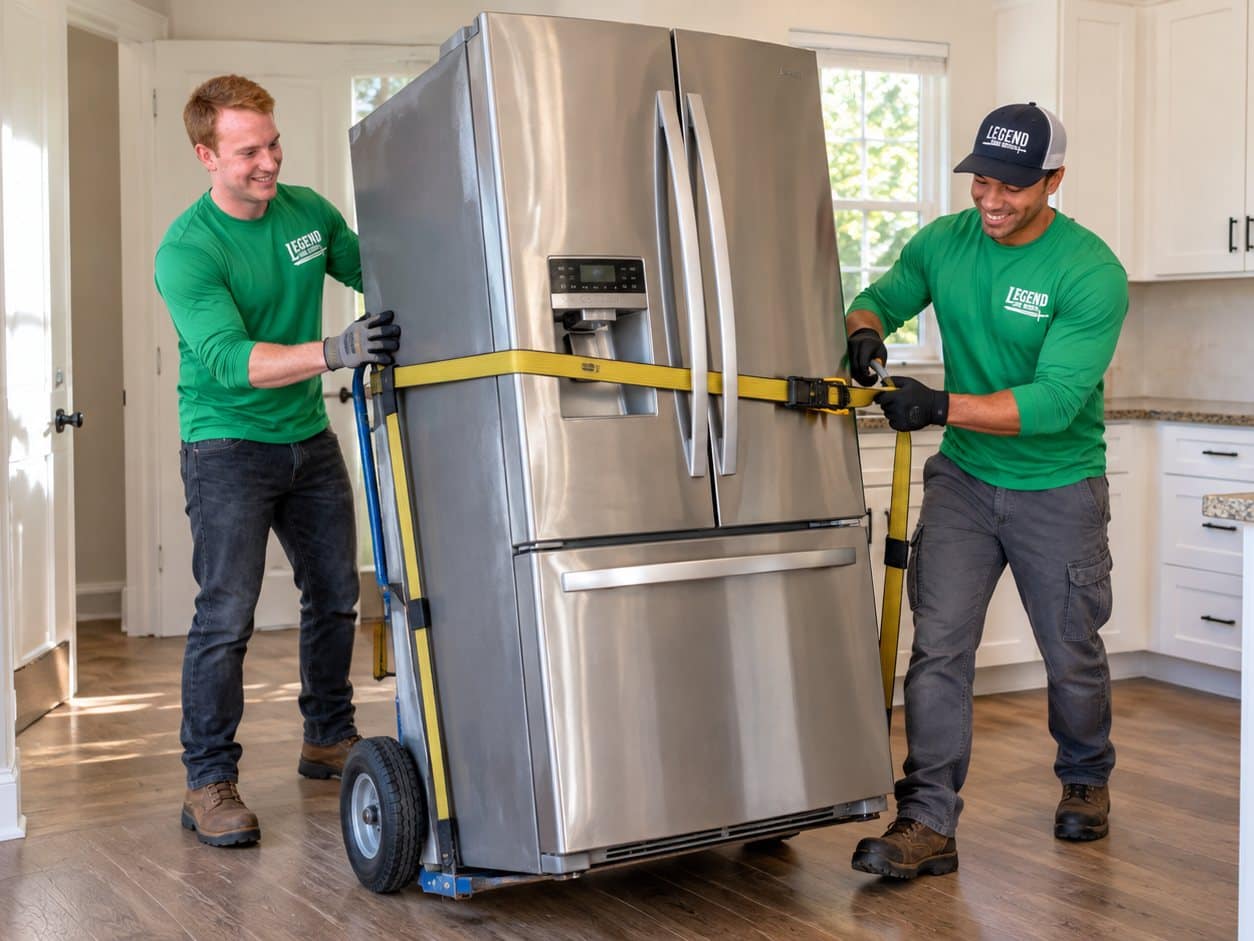
Not ready to donate? Appliance still working but you don’t have the time to list it online? Legend Junk Removal handles appliance removal throughout Spokane and the surrounding region. We come to your home, load the appliance into our truck, and take it to the appropriate facility for recycling or reuse. No hassle, no back-and-forth. We quote upfront and charge a fair price based on what we find on-site. Same-day service is available for most jobs.
Professional removal is especially valuable when you have multiple appliances, a single heavy appliance in an awkward location, or if you need fast turnaround. Our crew disconnects utilities safely, navigates narrow hallways or stairs, and loads items without damaging your home or the appliance. We know the proper disposal path for every appliance type, including those with refrigerants or hazardous materials. If your appliance can be refurbished and resold, we take it to a facility that does that. If it’s recyclable, it goes to the right recycler. If it needs to be dismantled safely, we handle it responsibly.
This option costs more than dropping an appliance off yourself, but it saves you time, physical effort, and the uncertainty of whether you’re handling disposal correctly. For Spokane homeowners in a time crunch, or those without a truck and the ability to haul, it’s the practical choice.
Option 5: Sell Your Appliance Online
If your appliance works well, selling it privately can put money in your pocket. Facebook Marketplace, Craigslist, and Letgo connect you with local buyers in Spokane looking for affordable appliances. Washing machines, dryers, and refrigerators in good condition often sell quickly. You set the price, handle the transaction, and the buyer arranges pickup. For a working appliance that still has real resale value, this might be your best return.
The downside is the time commitment. You need to photograph the appliance, write an accurate description, respond to inquiries, screen buyers, coordinate pickup times, and handle no-shows. Some buyers want delivery, which means you need to coordinate loading and transport. It can take weeks to sell an appliance this way. For appliances over 10-15 years old or with questionable reliability, private sales might take longer. You might also end up with a buyer who doesn’t show, or someone who tests the appliance at their home and then returns it.
This works best for newer appliances in excellent condition. Older appliances sell slower and for less. Broken appliances won’t sell this way at all.
What Should You Do Before Removing an Appliance?
Empty and clean the appliance fully. A refrigerator should be defrosted and wiped down. Remove any items left on shelves or in drawers. If the appliance is connected to utilities, such as a washer to water lines or a fridge to power, we handle disconnection, but knowing where those connections are helps the process move faster. Clear a path to the appliance so we can move it safely without damaging your home.
Appliances That Require Special Handling
Refrigerators, freezers, and air conditioning units contain refrigerants that must be recovered by certified professionals before recycling. This isn’t a DIY job. It’s a regulatory requirement. These appliances should never go to a standard landfill or recycling center that isn’t certified to handle them. Professional removal services know the difference and do it right.
Common Mistakes to Avoid
Don’t leave old appliances on the curb or in an alley. It’s often illegal, creates liability, and means the appliance gets damaged and contaminated before it reaches a proper facility. Don’t try to dismantle an appliance yourself to salvage metals or parts. The hazards (sharp edges, electrical risk, chemical exposure) aren’t worth the value. And don’t assume every charity accepts every appliance; call first.
Responsible Disposal Helps Protect the Environment
When appliances are recycled properly, metals get reclaimed for new products, and hazardous materials like refrigerants and oils are handled safely. When they end up in landfills, those same materials leach into soil and groundwater. Spokane’s environment benefits when residents dispose responsibly. It’s a small choice with a measurable impact.
Spokane Homeowners: Plan Ahead for a Smooth Appliance Pickup
If you’re downsizing, renovating, or just replacing an old appliance, planning ahead makes everything simpler. Decide whether donation, recycling, or trade-in is right for you. If you need help, Legend Junk Removal is a phone call away. We handle removal the same day or at a time that works for you. Call (509) 761-4999 to get a free estimate and book your pickup.
Why Professional Appliance Removal Is Often the Easiest Option
Coordinating with charities takes time. Researching which facilities accept your appliance is extra work. Professional removal removes those friction points. We show up, load the appliance, and make sure it goes somewhere responsible. Our crew is trained to move heavy items safely, and we know the proper disposal path for every type of appliance. For most Spokane residents, it’s the fastest and most reliable way forward.