
How to Prepare for Appliance Removal
A few simple steps before your appointment make appliance removal faster and safer. Here's what to do to prepare.
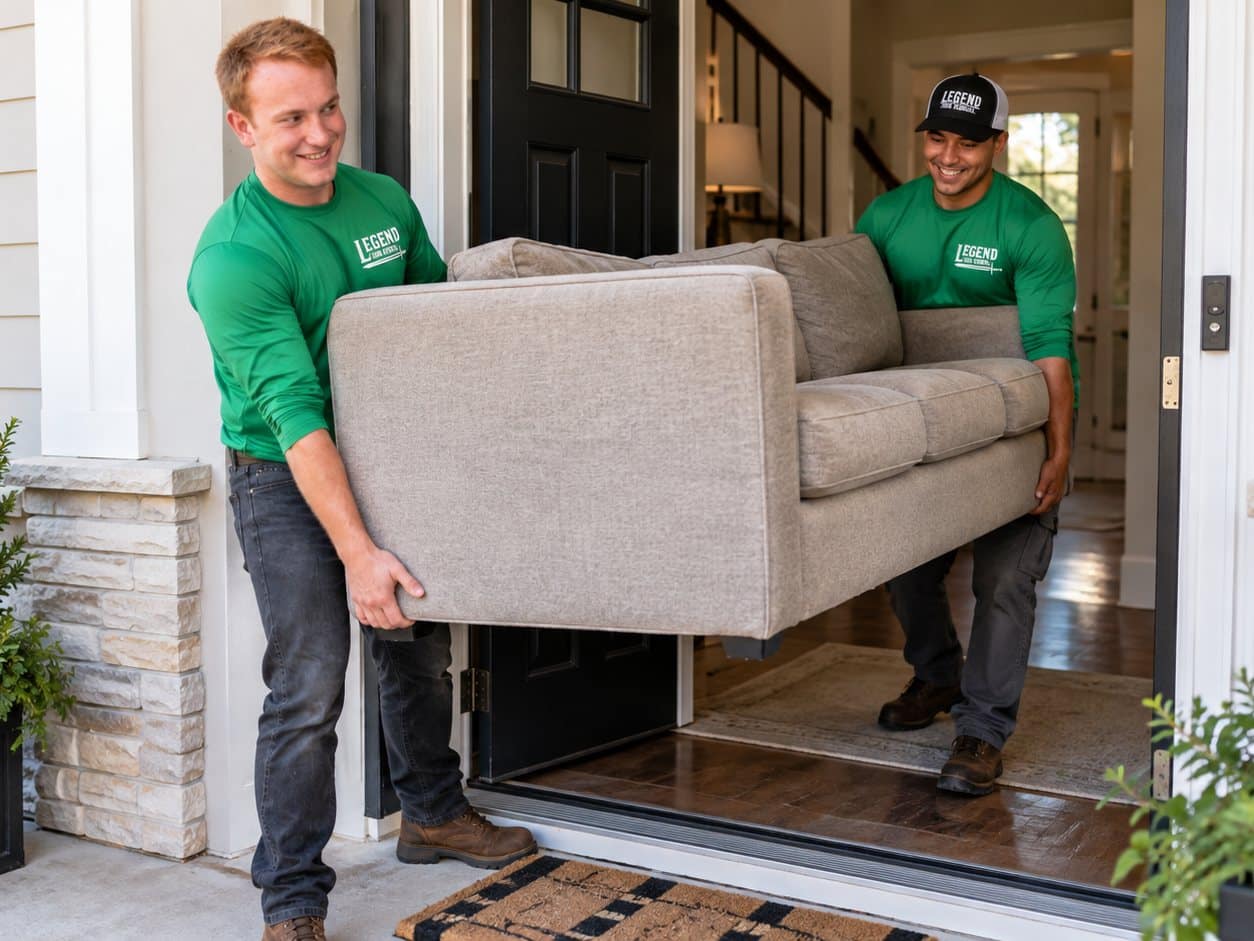
Identify All Appliances Being Removed
Start by being clear about what’s leaving. One refrigerator in the kitchen? The old washer and dryer in the basement? Both? The microwave mounted above the stove? An extra freezer in the garage? Knowing exactly what you need removed helps us quote accurately and show up with the right equipment. Take a walkthrough of your home and list every appliance you want gone. Photos help too.
If you’re uncertain about whether something should go, ask during your call. We can help you think through what’s salvageable versus what’s waste. Many people hang onto broken appliances hoping to repair them eventually, but if that hasn’t happened in two years, it’s unlikely to happen. Removing them opens up space and stops the clutter from accumulating.
Different Appliances, Different Removal Challenges
Refrigerators and freezers are heavy and awkward. They’re often taller than a standard doorway, which means angles and sometimes removal of the door trim to get them out. A refrigerator with ice in the coils needs time to defrost, and water pooling inside requires cleanup before transport.
Washing machines and dryers are dense and heavy. Hoses and vents connect them, and they sit in tight laundry rooms. Dryers in particular can have accumulated lint, and exhaust vents must be disconnected carefully.
Large ovens and range hoods are built-in and may require disconnection from cabinetry or walls. A dishwasher is plumbed underneath the counter and sometimes anchored in place.
Microwaves mounted above stoves hang from brackets. Air conditioning units and furnaces are specialized and often require professional handling.
Empty Every Appliance Completely
Remove all items from inside. A refrigerator should have every shelf, drawer, and container taken out or at least emptied. A freezer should be defrosted and drained. A dishwasher should have no dishes or utensils. A washing machine should have no clothing or change left in pockets. Check all compartments, corners, and under shelves. Personal items left inside get tossed along with the appliance, so do a thorough sweep before we arrive.
Old food in a refrigerator creates odors and health hazards. Detergent residue in a washing machine or dishwasher can leave smells. Small items tucked into spaces can get lost. A couple extra minutes of checking saves hassle later.
Defrost Refrigerators and Freezers
If you’re removing a refrigerator or freezer, defrost it the day before your appointment. Unplug it, place towels and buckets underneath to catch water, and let it thaw. Dispose of any remaining food. By the time we arrive, it should be fully thawed and dry inside. This makes the unit safer and easier to move, and it ensures water doesn’t leak in the truck or damage our equipment.
Disconnect Utilities Safely and Correctly
Utility connections are the most critical step in appliance removal. Washing machines, dryers, and dishwashers connect to water supply lines. These must be turned off at the shutoff valve and water must be drained from the lines. If you’ve never done this, now is not the time to learn. A leaking water line causes ceiling and floor damage.
Electric stoves, refrigerators, and dryers need power disconnected. You can unplug a freestanding appliance, but built-in units like ovens or ranges may be hardwired to a circuit. Cutting the power at the breaker works, or calling an electrician is the safe choice.
For gas appliances like stoves or dryers, never attempt disconnection yourself. Gas leaks are dangerous and potentially fatal. A licensed professional must handle gas disconnection, and this needs to happen before removal day. We can advise on whether you need a technician before we arrive, and we’ll confirm the gas is off before we touch the appliance.
Air conditioning units and furnaces are complex and should not be touched without HVAC expertise. Refrigerant can be hazardous, and improper handling causes environmental damage.
If you’re comfortable with basic utilities, handle the water and electric disconnections yourself. Leave gas, HVAC, and hardwired electrical for professionals.
Measure Doorways and Plan the Route
A refrigerator or large oven might not fit through a standard doorway at certain angles. Measure the width and height of the appliance (and its depth if it sticks out from the counter). Measure the width of your doorway, stairs, and any hallways the appliance needs to pass through. Standard doorways are 32-36 inches wide. A refrigerator can be 35-36 inches wide, which means it barely fits straight through. If angled slightly or tilted, it won’t fit at all without removing the door trim.
Let us know about tight spaces when you call. It helps us plan whether we need to remove doors, angle the appliance differently, disassemble parts, or use special techniques. There’s always a way through, but knowing in advance prevents delays. If an appliance is in a basement, we need to know about the staircase: is it straight? Does it have landings? Are there tight corners?
Upper-floor appliances mean moving them down stairs, through hallways, and out the front door or down more stairs. Each location adds complexity. The more detail you provide, the smoother the day goes.
Clear a Safe Path Through Your Home
Remove rugs, move small furniture, and push anything fragile out of the way. The path from the appliance to your door and the truck should be clear and protected. A coiled appliance cord, a child’s toy, or a pet bed in the doorway becomes an obstacle when moving a 300-pound refrigerator.
If you have hardwood floors or tile you’re concerned about, let us know. We bring protective materials like cardboard and blankets for high-value flooring. The goal is a direct route with no obstacles so we can move the appliance safely without damaging your home. We’re careful, but prevention is better than repair. A scratched hardwood floor or cracked tile is expensive to fix and a source of frustration after the work is done.
Also check the outdoor path. Is the driveway level? Are there steps between the door and the truck? Is the ground wet or muddy? These details help us prepare the right equipment and approach.
Secure Pets and Young Children
On removal day, pets and kids should be in a separate room or with a neighbor. A curious dog or toddler in the workspace creates a safety hazard. We’re focused on the appliance, not watching for obstacles at ground level. If you have family or pets in the home, keeping them clear of the work area is the fastest and safest approach.
Environmental Responsibility and Appliance Recycling
Old appliances contain materials that need responsible handling. Refrigerators and freezers contain refrigerant, which is a controlled substance. Releasing it into the atmosphere damages the ozone layer and violates federal law. Responsible removal means recovering the refrigerant before recycling the appliance.
Washing machines, dryers, and dishwashers contain metal, plastic, and sometimes copper wiring that can be recycled. Steel and aluminum are valuable to recycling centers. Improper disposal sends these materials to landfills where they take up space for decades.
When you hire Legend Junk Removal, we handle the environmental responsibility. Your appliance gets taken to a proper recycling facility, not dumped illegally or sent to a landfill. This is part of what responsible removal means.
Decide Whether You’re Removing One Appliance or Several
If you’re doing a full kitchen or laundry room renovation and removing multiple appliances, tell us upfront. We can often do it more efficiently in one trip than several separate appointments. Multiple removals sometimes qualify for a better overall quote than individual jobs, so ask when you call. Removing a refrigerator and old dishwasher and broken dryer together is more economical than three separate appointments.
Check for Personal Belongings
Appliances often accumulate more than just what’s inside. A washing machine might have items stored on top or behind it. A dishwasher might have utensils or cleaning supplies nearby. Before we arrive, gather anything you want to keep. Anything left behind gets removed with the appliance.
Preparing Appliances Located Upstairs or in Basements
Removing a dryer from a second-floor laundry room or a refrigerator from a basement takes extra care. If stairs, narrow hallways, or tight corners are involved, mention them when you book. We come prepared for these situations, but knowing in advance means no surprises and no delays on the day.
What to Expect During Your Appliance Removal Appointment
We’ll arrive within your scheduled window. We assess the appliance and its location, then begin disconnection if needed. We’ll protect your floors and walls, carefully maneuver the appliance, and load it into the truck. The whole process usually takes under an hour for a single appliance, longer if multiple items are being removed or if access is complicated. We’ll confirm the appliance is loaded and secure before we leave.
Common Mistakes to Avoid
Don’t leave the appliance plugged in or connected when we arrive. This creates a hazard and delays the job. Don’t assume water lines or gas connections can wait until we show up. A leak can damage your home. Don’t leave personal items inside. And don’t make assumptions about whether we can remove something; if you’re unsure, ask. It’s easier to clarify before the appointment than to discover a barrier on the day.
Ready to Remove That Appliance?
Preparation takes less than an hour and makes the whole removal smoother. Empty, defrost, disconnect, and clear. Then call Legend Junk Removal at (509) 761-4999 to schedule. We handle the heavy lifting and make sure your appliance goes to the right place. Same-day service is available, and we quote free upfront so there are no surprises.