
What Happens During a Residential Light Demolition Project?
Light demolition involves careful planning and strategic removal of structures. Here's what to expect from start to finish.
What Is Residential Light Demolition?
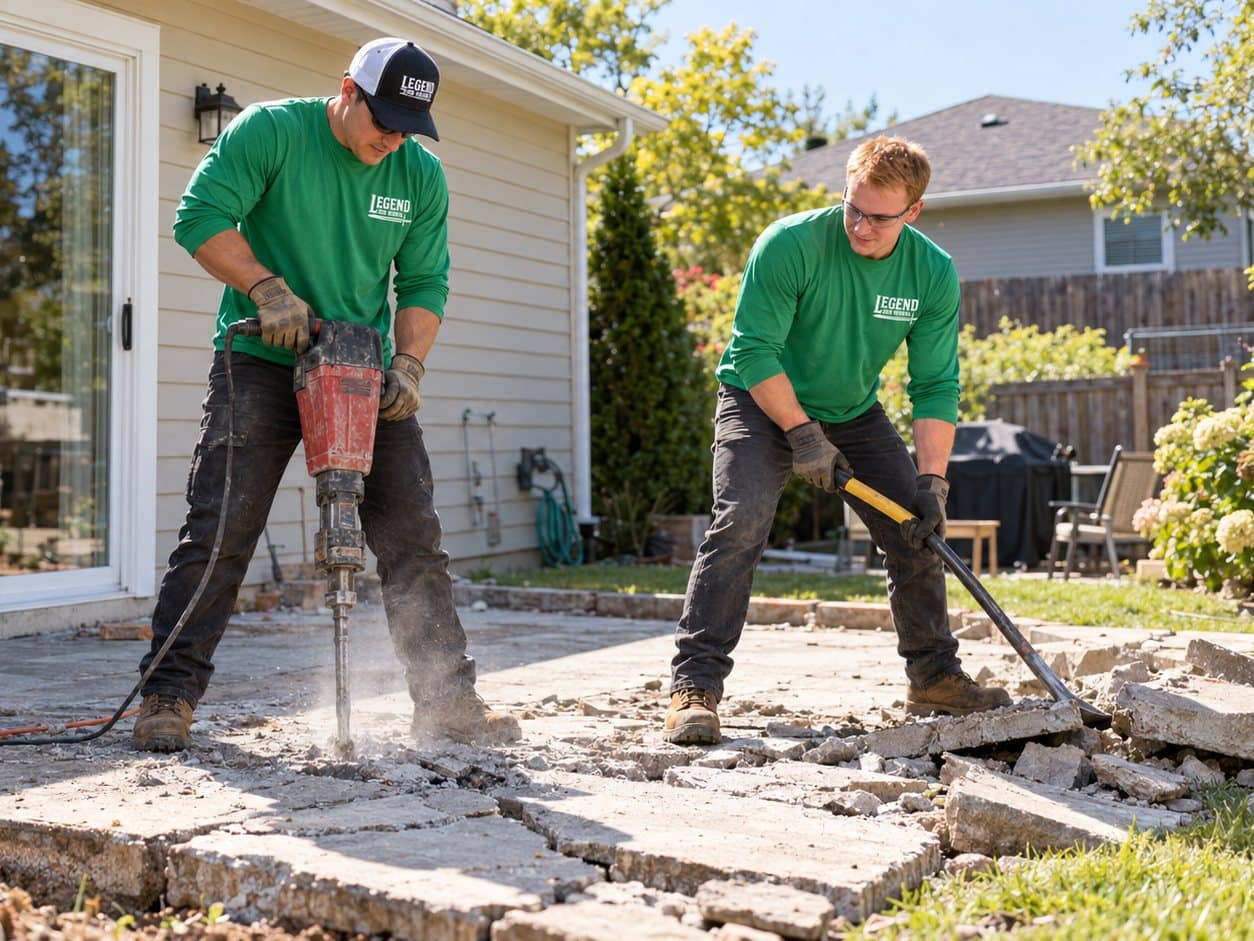
Residential light demolition isn’t about tearing down an entire house. It’s the selective removal of specific structures or sections: a deck, a shed, a detached garage, or even interior walls. The work requires precision and planning to protect the parts of your property you want to keep while removing what you don’t.
In Spokane, homeowners turn to light demolition for renovations, property clearing, and safety improvements. Whether it’s an aging structure that’s become unsafe or a building that no longer serves your needs, professional demolition ensures the job is done right.
Every Project Starts With an Initial Assessment
Before any work begins, the demolition crew visits your property to evaluate what needs to come down. They’ll look at the structure’s size, construction materials, attachment points, and what’s around it. This assessment answers important questions: Are there utilities running through or near the structure? What debris will the project create? How long will it take?
You’ll discuss your timeline and any specific concerns. The crew will point out potential challenges and walk you through the removal plan. This conversation sets expectations for the entire project.
Preparing the Work Area
Preparation is critical to a safe and efficient demolition. The crew will establish a work zone around the structure, typically using barriers or caution tape. Any landscaping or property features too close to the demolition area need to be protected or relocated.
The crew will also clear access routes so debris removal and equipment movement go smoothly. If you have outdoor furniture, grills, or decorations nearby, they’ll need to be moved. The work area is kept contained to prevent damage to adjacent buildings, fences, or underground utilities.
Utility Safety Comes First
Before demolition starts, all utilities connected to the structure must be safely disconnected or capped. This includes water lines, gas lines, and electrical connections. You may need permits or professional utility disconnection services for some of these, especially gas and electrical lines.
A responsible demolition crew won’t proceed until utilities are confirmed safe. This protects workers, your property, and anyone living nearby.
Selective Demolition Begins
With the site prepped and utilities handled, the actual demolition starts. For a deck or shed, crews use power tools and manual methods to carefully disassemble or break apart the structure. For interior walls, the process is slower to avoid damaging the surrounding structure.
The crew removes materials in stages, often sorting salvageable items from waste as they go. Large pieces are broken into smaller, more manageable sections. Dust control measures like water misters may be used to keep debris from spreading.
Protecting the Rest of Your Property
Throughout demolition, protecting your home and landscaping is a constant focus. Crews place protective coverings on nearby structures, windows, and roof edges. If a structure is attached to your house, like a porch or attached garage, crews carefully disconnect it without compromising the main building’s integrity.
This protection phase is what separates amateur demolition from professional work. One careless swing or falling beam can create expensive secondary damage.
Debris Is Removed Throughout the Project
Rather than waiting until the end, professionals remove debris as they go. Large pieces are loaded into trucks or dumpsters. Smaller debris is swept, bagged, or scooped into containers. This keeps the work area safe and prevents debris from piling up to dangerous heights.
Most demolition companies, including Legend Junk Removal, handle debris removal as part of the service. That debris gets hauled to local disposal facilities, recycling centers, or donation sites depending on what it is.
The Timeline Depends on the Project
A shed demolition might take a single day. A deck could take one to two days. A detached garage might take longer, especially if it’s large or has complications. Weather, structure size, and attachment complexity all affect how long the project takes.
Your crew will give you a realistic timeline during the assessment phase. Spokane weather, especially winter rain or snow, can add time to outdoor projects.
Final Cleanup and Debris Removal
Once the structure is gone, the crew sweeps the site clean. Debris that can be salvaged or recycled is sorted accordingly. Everything else is loaded for removal.
Final cleanup includes raking the area, removing dust and small debris, and ensuring no nails, screws, or jagged pieces are left behind. Your property should be safe and clean by the time the crew leaves.
What Happens After Demolition?
After the structure is removed, you may have additional work ahead. If you’re removing a deck to build a new one, the site is now prepared for construction. If you’re clearing a lot to expand landscaping, you have a clean slate.
Some homeowners need the ground leveled or landscaped after demolition. That’s a separate project, but your cleared site makes it straightforward.
Common Misconceptions About Light Demolition
Many homeowners think demolition is just brute force. Hitting things until they’re gone is amateur work. Professional demolition is methodical. It takes planning, the right tools, and skilled workers.
Another misconception is that demolition is fast. Speed matters less than safety and protection of surrounding property. Rushing a demolition project risks injury, property damage, and incomplete removal.
Some assume demolition is cheap. The cost reflects the labor, equipment, debris removal, and careful technique involved. Hiring professionals means the job is done safely and compliantly.
Spokane Homeowners: Planning Makes Every Project Easier
Whether you’re removing a deteriorating shed, an unused deck, or prepping your property for new construction, light demolition is a straightforward process when you work with professionals. Legend Junk Removal handles residential light demolition throughout Spokane and the surrounding area.
Call (509) 761-4999 for a free on-site assessment. We’ll walk you through exactly what to expect and provide an upfront quote.